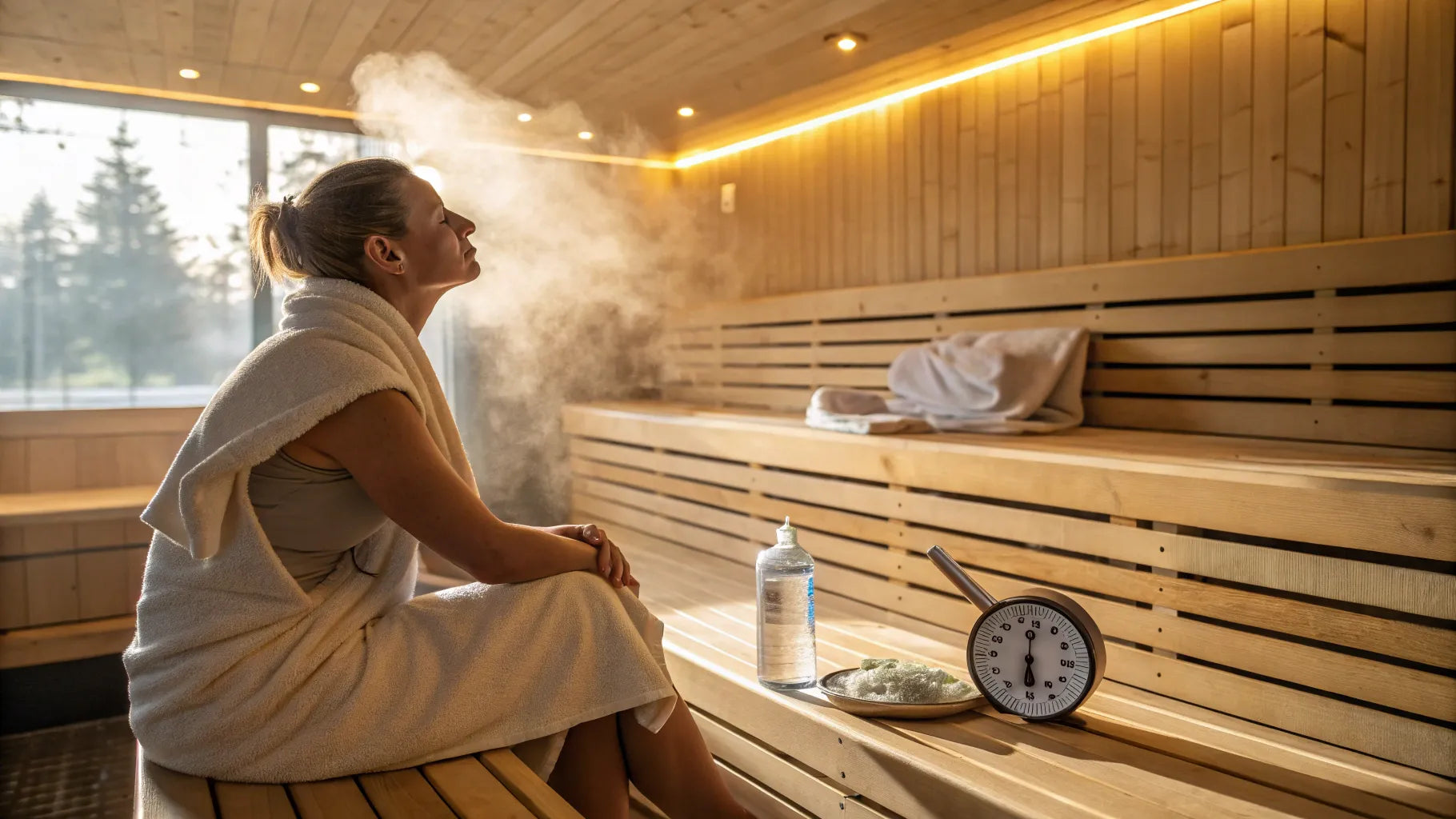
Article: Cold plunge: How to use deliberate cold exposure for mood, focus, metabolism, and performance
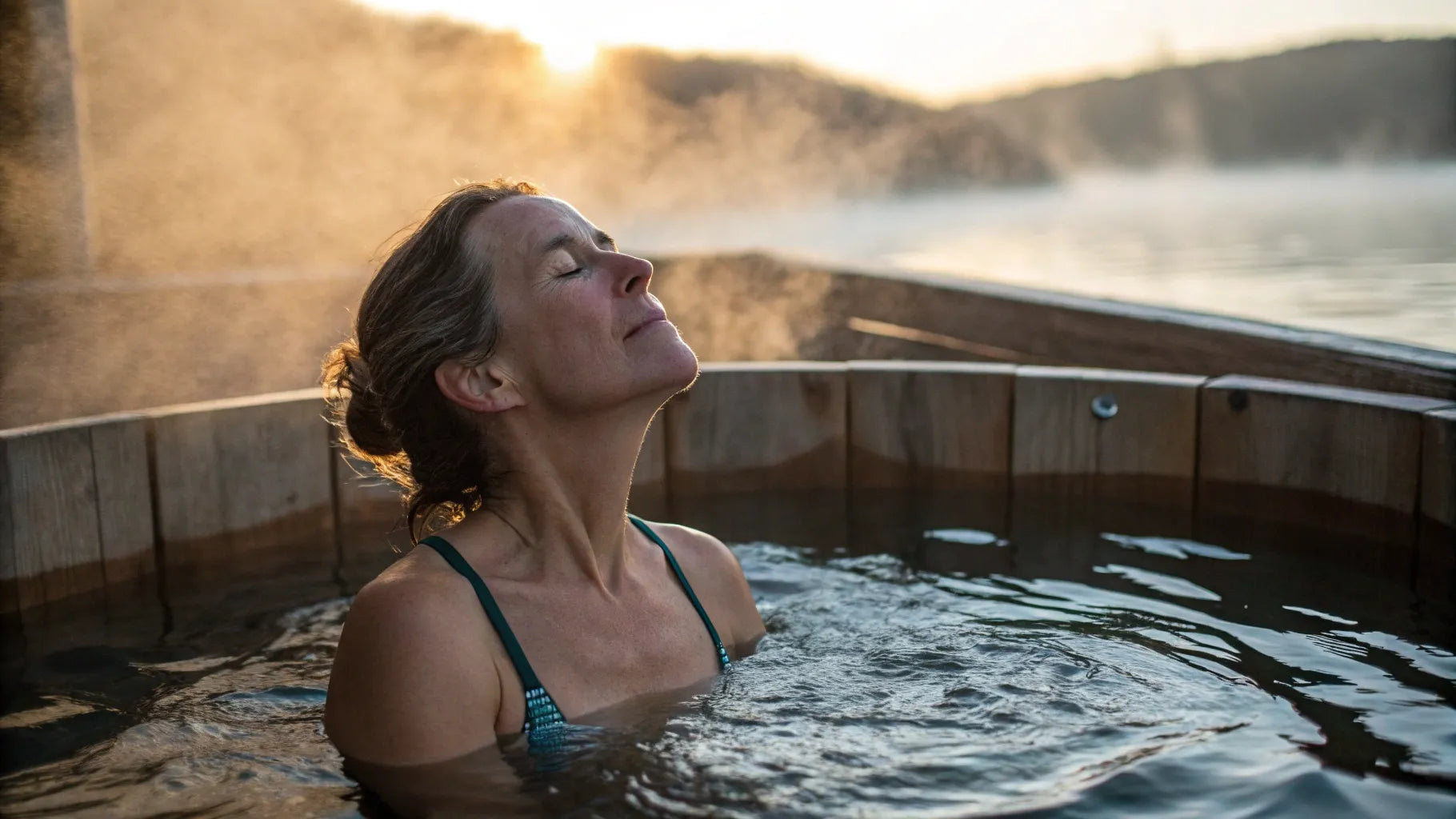
Cold plunge: How to use deliberate cold exposure for mood, focus, metabolism, and performance

Based on advice from Dr. Andrew Huberman, this practical guide explains how deliberate cold exposure — cold plunge, cold shower, or targeted cooling — affects the brain and body, why it works, and exactly how to use it safely for resilience, mood, cognition, metabolism, recovery, and athletic performance. Below you will find mechanisms, actionable protocols, timing rules, safety notes, and citations to the key studies referenced.
Table of Contents
- Why cold exposure is such a powerful tool
- Important safety notes
- Basics: timing, temperature, and delivery method
- Proven study highlights (citations inline)
- How to use cold plunge and related tools — practical protocols
- How to structure a day that uses a cold plunge
- How to breathe and move during cold exposure
- Practical examples you can try (beginner → intermediate)
- Common mistakes and myths
- References
- How cold should my cold plunge be?
- How often and how long should I do cold plunges?
- Will cold plunges help my mood and focus?
- Should I use cold immersion after strength training?
- What is glabrous skin cooling and does it work?
- Can cold plunges increase testosterone?
Why cold exposure is such a powerful tool
Cold exposure is a high‑impact stimulus for the nervous system. When applied deliberately and safely, it reliably raises circulating catecholamines (norepinephrine and epinephrine) and often increases dopamine. Those chemical shifts produce measurable improvements in attention, alertness, mood, and motivation, and trigger metabolic changes that can increase calorie burn and convert white fat into thermogenic beige or brown fat.
Key mechanisms
- Rapid release of norepinephrine and epinephrine increases alertness and focus. [2]
- Significant dopamine increases after cold immersion support mood elevation and motivation. [2][9]
- Cold signaling (neuronal and humoral) activates fat‑cell programs (UCP1, PGC1α and related pathways) that promote beige/brown fat thermogenesis and higher basal metabolic rate. [4][3]
- Targeted cooling of glabrous skin (palms, soles, upper face) enables rapid heat extraction from the core and can dramatically improve endurance and work volume. [7][8]
Important safety notes
Cold exposure is a strong physiological stimulus and carries risk for people with cardiovascular issues, uncontrolled hypertension, arrhythmias, or other medical conditions. Consult a board‑certified physician before beginning any new extreme or intense stimulus protocol. Progress gradually. Use the minimum effective dose that creates benefit without undue risk.
Basics: timing, temperature, and delivery method
Circadian context: Core body temperature follows a 24‑hour rhythm. The temperature minimum typically occurs ~2 hours before habitual wake. Temperature rises toward wake and peaks in afternoon; it drops in the evening to enable sleep. Deliberate cold exposure raises core temperature acutely and increases alertness, so avoid doing intense cold plunges late at night if your goal is sleep. [see Timing section]
How cold should it be? Use this rule of thumb: the environment should be uncomfortably cold enough that you would like to get out, but you can safely remain in it. That threshold varies between people, days, and times of day.
Best-to-worst delivery methods (general ranking)
- Cold water immersion up to the neck (ice bath / cold plunge) — most effective for delivering the stimulus uniformly and reliably.
- Cold shower — practical and useful when immersion is not available; fewer controlled studies exist but it still produces benefit.
- Exposure to cold air (minimal clothing) — helpful, but air transfers heat less efficiently than water (water transfers heat ~4× faster).
Proven study highlights (citations inline)
Brief aerobic exercise boosts focus: A randomized study of 101 students found 15 minutes of moderate aerobic exercise (zone two intensity) produced immediate increases in feelings of energy and improved performance on visual attention tasks compared with relaxation; energy mediated the benefit. Use moderate cardio before a learning bout to improve focus. [1]
Cold immersion dramatically increases catecholamines and dopamine: Immersion to the neck at ~14 °C (57 °F) for extended duration produced very large increases in metabolic rate and plasma catecholamines: norepinephrine rose ~530% and dopamine rose ~250%; dopamine increases lasted for hours after immersion. [2]
11 minutes per week threshold for metabolic adaptation: A study of winter swimmers showed total weekly cold immersion of ~11 minutes (divided across sessions) increased brown fat thermogenesis and cold‑induced metabolism in young men. This 11‑minute total/week is a practical starting target for metabolic effects in humans. [3]
Adipose tissue plasticity: Reviews summarize how cold → norepinephrine → UCP1 and related pathways convert white fat into thermogenic beige/brown fat, explaining the durable metabolic effect of repeated cold exposure. [4]
Caffeine amplifies dopamine signaling: A human imaging study found 300 mg caffeine increased striatal D2/D3 receptor availability, which can enhance effectiveness of dopamine released during cold exposure. If compatible with your health, caffeine 60–120 minutes before a cold session can amplify dopamine signaling. [5]
Cold-water immersion helps recovery after high‑intensity exercise: A meta‑analysis of 52 studies concluded cold water immersion is an effective recovery tool after high‑intensity exercise; it reduces soreness, lowers markers of muscle damage, and improves perceived recovery and power outcomes versus passive recovery. Short, lower‑temperature exposures (1–5 minutes) after intense sessions are often effective. [6]
Glabrous skin cooling (palms/soles/upper face) speeds cooling and extends work capacity: A randomized trial of chemical cold packs in exercise‑induced hyperthermia and lab work from Dr. Craig Heller demonstrate that targeted cooling of palms, soles, and upper face reduces core temperature faster and allows athletes to sustain activity longer than traditional site cooling (neck, armpit, groin). Periodic palm cooling between sets can dramatically increase work volume. [7][8]
How to use cold plunge and related tools — practical protocols
The protocols below are organized by primary goal. All temperatures and durations should be adjusted to your tolerance and medical status.
Resilience and mental toughness (walls method)
- Goal: train top‑down control and tolerance to catecholamine surges.
- Method: define a target number of "walls" (surges of "I want to get out"). A wall might be: getting in; the first urge to escape; the next urge after a minute. Pick 3 walls on a given session. Exit after completing your target number safely.
- Frequency: 2–4 sessions per week. Increase walls or lower temperature gradually over weeks.
- Alternative time protocol: Monday 1 minute, Wednesday 1.5 minutes, Friday 2 minutes and progress weekly.
Mood, dopamine, and focus
- Cold immersion up to the neck is most potent for dopamine and catecholamine increases. Even moderate temperatures (around 14–20 °C / 57–68 °F) can yield large effects if duration is longer. [2]
- If you want to amplify dopamine effects: consider 200–300 mg caffeine 60–120 minutes before the cold session (only if medically appropriate) to increase receptor availability. [5]
- Expect feeling of improved mood and alertness that can last hours after the session.
Metabolism and brown fat induction
- Start with a target of ≥11 minutes total cold immersion per week divided across 2–4 sessions (example: 3 sessions of ~4 minutes). This threshold has been associated with enhanced brown fat thermogenesis in humans. [3]
- To maximize metabolic adaptation end with cold (do not immediately reheat in a hot shower or sauna). Reheating yourself naturally (the Søberg principle) and getting to mild shivering increases brown fat activation and thermogenic signals. [3]
- Alternate brief submersion with brief air exposure to promote shivering when safe: e.g., 2–3 minutes cold, step out and air dry 1–2 minutes, re‑enter. Only use shivering as a goal if healthy and supervised. [3]
Recovery after exercise
- After high‑intensity endurance or interval sessions: cold water immersion or a cold shower immediately after training reduces soreness and markers of muscle damage, and accelerates perceived recovery. Short exposures (1–5 minutes) at low temperature are useful. [6]
- If your primary goal is hypertrophy or maximal strength gains, avoid cold water immersion up to about 4 hours after a strength/hypertrophy session (to avoid blunting some growth signals). If necessary, schedule cold exposure later or on separate days. [6]
During training: glabrous skin cooling for endurance and volume
- Cooling palms, soles, and upper face between sets or during endurance efforts extracts heat rapidly, reduces perceived effort, and increases sustained work volume. Simple at‑home approximation: hold cold bottles, frozen fruit packs, or chilled metal bars in your palms for 1–2 minutes between sets. Ensure items are cool but not so cold that they induce vasoconstriction of the palm. [7][8]
- For competitive or repeatable setups, commercial circulating palm cooling systems exist; at minimum, apply a cool surface to the palms for 1–2 minutes during rest periods to extend total volume. [8]
How to structure a day that uses a cold plunge
Options depend on goals:
- Morning alertness and focus: cold plunge or cold shower earlier in the day. Plan to be alert for the next 1–6 hours; avoid late‑evening plunges if sleep is the priority.
- Learning and memory sequence: do 15 minutes of moderate aerobic exercise (zone two) to raise energy and attention, perform the learning or cognitive work while energized, then use NSDR or meditation to consolidate. Cold exposure can be used to increase baseline alertness before the learning bout if desired. [1]
- Metabolic focus: schedule cold immersion sessions that total ≥11 minutes per week and aim to finish sessions in the cold without immediate hot rewarm to maximize brown fat activation. [3]
How to breathe and move during cold exposure
Everyone experiences an involuntary gasp and hyperventilation when exposed to uncomfortably cold water. To preserve cognitive clarity and safety:
- Practice controlled breathing: slow exhales, full inhales; double nasal inhales followed by long mouth exhales can reduce panic responses.
- Movement increases stimulus. Remaining perfectly still builds a thermal boundary layer that makes the experience milder. If you want to intensify resilience training without changing temperature, move your limbs under water or pedal to break the thermal layer.
- Optionally perform cognitive tasks (mental arithmetic, sentence recall) during immersion to train prefrontal control under stress.
Practical examples you can try (beginner → intermediate)
- Beginner: Cold shower 60–90 seconds at an uncomfortably cold but safe temperature, 3× per week. Use the walls method: get in (wall 1), stay 30–60 seconds (wall 2), push 10–20 seconds more if safe (wall 3).
- Intermediate (resilience & metabolic): Cold plunge 3× per week, 3–6 minutes per session, totaling ~11–15 minutes/week. End session in the cold and allow natural rewarming; aim for brief shivering only when medically safe. [3]
- Performance recovery: After a hard interval run, 1–5 minutes cold water immersion or 2–5 minute cold shower immediately after to reduce soreness and speed recovery. If hypertrophy is the primary goal, delay immersion for 4+ hours after strength sessions. [6]
- Training volume boost: Between sets, place palms on chilled bottles or cold packs (cool but not freezing) for 1–2 minutes to reduce core temp and extend total work. [8]
Common mistakes and myths
- Myth: Cooling the back of the neck or torso is the fastest way to reduce core temperature. In many cases this triggers the hypothalamic thermostat to raise core temperature. Cooling glabrous skin (palms, soles, upper face) is far more efficient for core heat extraction. [7]
- Mistake: Immediately reheating in a hot shower or sauna if your goal is metabolic adaptation. Ending on cold and allowing natural rewarming increases thermogenic signaling. [3]
- Myth: Cold exposure always reduces inflammation equally. Timing, duration, and method matter; for some training goals cold can blunt adaptations if timed incorrectly (e.g., immediate post‑hypertrophy). [6]
References
- LaGrand et al., "Brief aerobic exercise immediately enhances visual attentional control and perceptual speed, testing the mediating role of feelings of energy." (study of 101 college students showing 15 minutes moderate jogging increased energy and visual attention performance). [Study referenced for exercise → cognition]
- Sramek et al., "Human physiological responses to immersion into water of different temperatures." European Journal of Applied Physiology, 2000. (Neck immersion at 32, 20, 14 °C; found metabolic increases and plasma norepinephrine ↑530% and dopamine ↑250% after prolonged immersion). [Study documenting catecholamine and dopamine responses to immersion]
- Soberg et al., "Altered brown fat thermoregulation and enhanced cold induced thermogenesis in young healthy winter swimming men." (human study showing ~11 minutes total cold immersion/week associates with increased brown fat thermogenesis). [Study supporting the 11‑minute/week practical threshold]
- "Adipose Tissue Plasticity in Health and Disease." Cell (review). (Comprehensive review of cold‑induced signaling in adipose tissue: UCP1, PGC1α, beige/brown conversion and metabolic implications). [Review for mechanisms of fat thermogenesis]
- Caffeine imaging study, "Caffeine increases striatal dopamine D2/D3 receptor availability in the human brain." Nature (imaging study showing 300 mg caffeine increases receptor availability; used to explain potential receptor priming before cold exposure). [Study linking caffeine to dopamine receptor availability]
- "Impact of Cold‑Water Immersion Compared with Passive Recovery Following a Single Bout of Strenuous Exercise on Athletic Performance in Physically Active Participants: A Systematic Review with Meta‑analysis and Meta‑regression." (Meta‑analysis of 52 studies showing cold water immersion is effective for recovery after high‑intensity exercise and reduces soreness/creatine kinase). [Meta‑analysis on recovery benefits]
- Randomized controlled trial "Novel application of chemical cold packs for treatment of exercise‑induced hyperthermia." (Study showing targeted glabrous skin cooling is superior to traditional cooling sites for reducing core temperature and improving endurance in hyperthermic conditions). [Study supporting glabrous skin cooling in hyperthermia]
- Heller et al., "Work volume and strength training responses to resistive exercise improve with periodic heat extraction from the palm." (Data from Heller lab demonstrating that palm cooling between sets increases total work volume, reduces soreness, and can dramatically raise training volume). [Study supporting palmar cooling for volume]
- Anna Lembke, "Dopamine Nation" (book). (Clinical and narrative evidence that behaviors that boost dopamine in safer, structured ways can support recovery from addictive behaviors; includes case examples of cold exposure used in sobriety). [Book referenced regarding dopamine and behavioral health]
How cold should my cold plunge be?
Aim for an environment that feels uncomfortably cold so you want to get out but can safely remain in. Exact temperatures vary with tolerance. Cold water immersion is more effective than air; start conservatively and progress. The practical rule: "uncomfortably cold but safe."
How often and how long should I do cold plunges?
A practical minimum for metabolic effects is ~11 minutes total per week divided across 2–4 sessions. For resilience and mood, 2–4 sessions per week with session durations adjusted to your walls method (1–6 minutes typical). Frequency can increase as you adapt. [3]
Will cold plunges help my mood and focus?
Yes. Cold immersion reliably elevates norepinephrine and often increases dopamine, leading to immediate and lasting improvements in alertness, attention, and mood. Immersion protocols have shown dopamine increases that can last hours. [2]
Should I use cold immersion after strength training?
If your primary goal is hypertrophy/strength, avoid cold water immersion up to about 4 hours after strength sessions to prevent blunting growth signals. For endurance and recovery after high‑intensity workouts, immediate cold immersion is generally beneficial. [6]
What is glabrous skin cooling and does it work?
Glabrous skin refers to the palms, soles, and upper face. Cooling these sites extracts heat efficiently via arteriovenous pathways and can rapidly lower core temperature, extend endurance, reduce perceived effort, and increase work volume. Use cool (not freezing) surfaces on palms for 1–2 minutes between sets to boost volume. [7][8]
Can cold plunges increase testosterone?
Direct experimental evidence is limited. Plausible mechanisms include dopamine‑mediated increases in luteinizing hormone and improved local perfusion following cold‑induced vasoconstriction/reperfusion. Anecdotal reports exist, but controlled human studies specifically testing genital cooling and testosterone are lacking. Proceed cautiously and avoid extreme or damaging local cooling. [9]